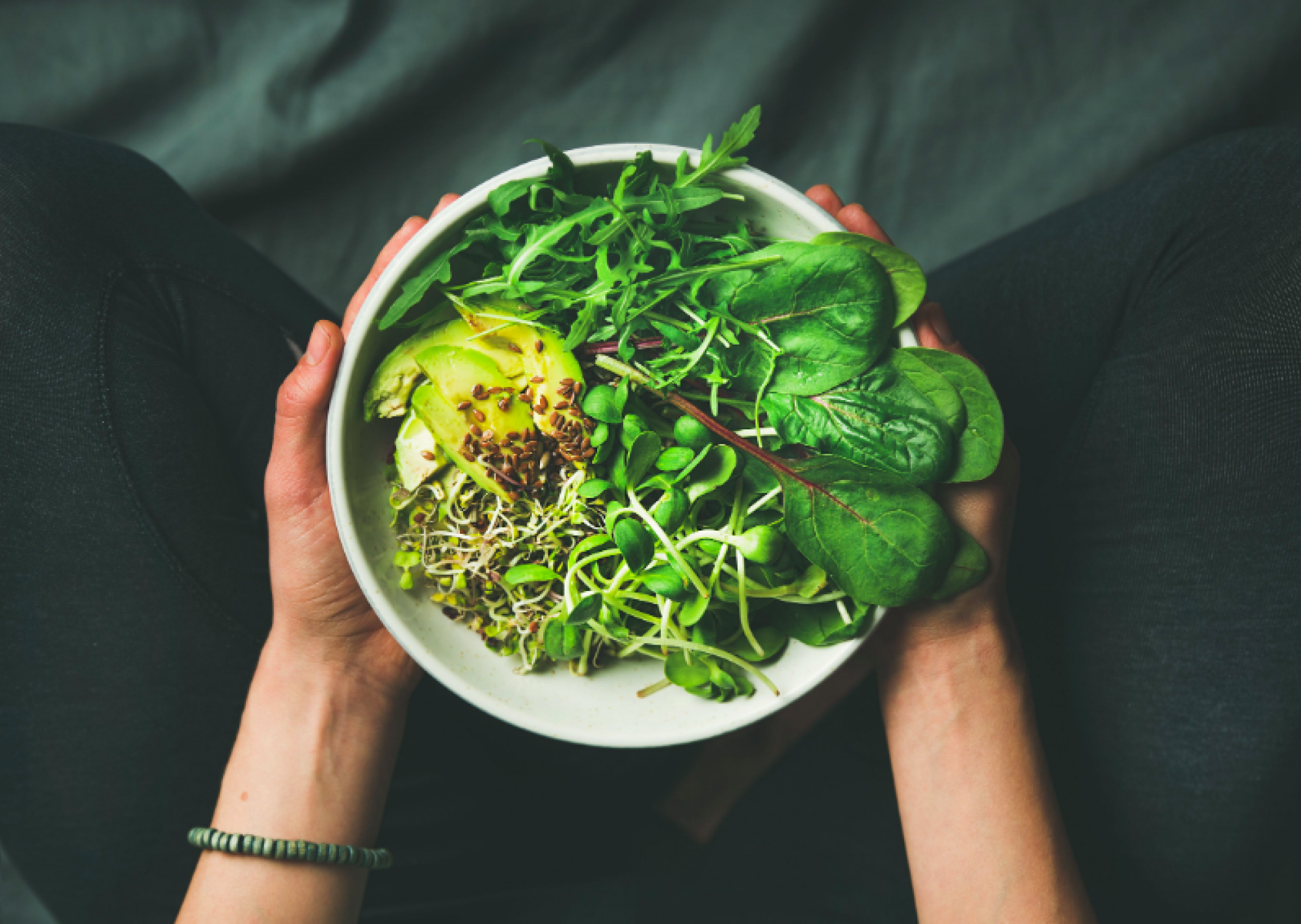


Nighttime cravings aren't about hunger. A functional nutritionist explains what's really behind them, plus the cozy tea ritual that stops stress eating.
By Carly | Functional Nutritionist, Nutritional Wisdom
It's 9:47 pm. The dishes are done, the emails are (mostly) answered, and you finally have a quiet moment to yourself. And right on cue, your brain sends out its nightly request: something yummy, please.
Sound familiar?
If you find yourself standing in front of the pantry every night wondering why you're suddenly starving even though you ate dinner two hours ago, this post is for you. Because here's the thing most people get wrong about nighttime cravings, and it changes everything once you understand it.
Let that sink in for a second.
That pull toward the cookies at 10 pm isn't your body asking for fuel. It's your nervous system asking for a reward. Think about it: the first genuinely quiet moment of your entire day has just arrived. No meetings, no to-do list, no one needing anything from you. And your brain, having survived another full day of modern life, says, "Hi. I would love a little something for making it through."
So it comes out as "I deserve something sweet." But what's actually underneath that craving is usually one of three things: stress, exhaustion, or a desire for release.
And here's my confession: I'm a functional nutritionist, and I still get that feeling. Every. Single. Night. Being a nutrition professional does not make you immune to being human.
For years, the standard advice was some version of "just don't eat after 8 pm" or "drink a glass of water and go to bed." If you've ever tried white-knuckling your way past a craving, you already know how that story ends. Usually with your hand in a bag of chocolate chips at 10:30.
Pretending you don't want anything never, ever works. Restriction just makes the craving louder.
So instead of fighting it, I built myself a go-to. Something warm. Something slightly sweet. Something that scratches the itch without turning into a whole "next-day regretsies" situation.
This little ritual has genuinely changed my evenings, and it takes about three minutes to make.
Here's what goes in it:
I rotate my tea flavors depending on my mood. Mulled Apple Spice and Cinnamon Cardamom are both in heavy rotation, and honestly, all of them are incredible.
One tip I will die on: get yourself a milk frother. It sounds like a small thing, but foaming the cashew milk is what turns this from "a hot drink" into "a full cozy moment." It feels indulgent. It feels intentional. Add thick socks and a Meg Ryan movie, and you've officially replaced the pantry raid with something better.
The magic isn't just in the ingredients. It's that you're giving your nervous system the reward it was actually asking for: warmth, sweetness, comfort, and a signal that the day is done.
The tea is a tool, but if nighttime eating is a nightly battle for you, these four shifts address the root causes.
This is the big one. Undereating during the day is one of the single biggest drivers of nighttime cravings. You can skip breakfast, have a sad desk salad for lunch, and feel virtuous all day, but your body keeps score. And it collects at night, with interest.
Protein, fat, fiber. An actual meal. A little plate of crackers and cheese at 6 pm is not dinner. That's a snack with anxiety. When dinner genuinely satisfies you, the 9 pm pantry pull gets dramatically quieter.
A lot of nighttime cravings show up because your brain wants a transition out of the day, and food is the fastest one available. Give it a different off-ramp. Go for a short walk, journal for five minutes, do ten minutes of something completely mindless. The craving often fades once the transition happens.
Stressed? Lonely? Bored? Celebrating? This sounds almost too simple, but when you can name the feeling, you create a little space between the emotion and the fridge. And that space is where your actual choice lives.
Here's the part I really want you to hear: the goal is not to never eat a cookie at night again.
Some nights, the tea does the job beautifully. Some nights, you eat the cookie, reflect on what was going on, and move on with your life. Both of those are completely fine. Both of those are progress.
The problem was never the cookie. The problem is the cycle of craving, giving in, feeling guilty, restricting, and craving even harder the next night. Break the cycle, and the cookie stops having power over you.
If nighttime eating is a pattern you've been fighting for a while, the tea helps. It really does. But the deeper work is understanding why the cravings keep showing up and what to do when willpower isn't enough. (Spoiler: willpower is never enough, and it was never supposed to be.)
That's exactly what my End Emotional Eating course is built for.
It's a 4-week online program with weekly videos, guided meditations, and journal exercises designed to get you off the diet rollercoaster for good. No food prison. No 30-day cleanses. Just real tools you can use for life.
You can get lifetime access for $97, which is less than a dinner out for two. And it comes with a 30-day money-back guarantee, no questions asked.
I'm ready to stop stress eating → click here
Until then, put the kettle on. Your nervous system will thank you.
Love,Carly

My story is probably very similar to yours. I wasn’t happy with my body, but I was addicted to sugar and overeating. I was constantly stressed, worried and anxious, but I couldn’t control the voice in my head. I wanted to make changes, but I was stuck in patterns that seemed to control me...
Find the Right Diet for You, End Emotional Eating, Heal Your Digestive Woes, and Control the Voice in Your Head — to help you understand your body
Work one-on-one with Carly to build your nutrition, lifestyle, and mindset plan.Stay on track weekly and achieve lasting results.
Here are your guides. I have included all four, so take whichever ones you want.
End Emotional EatingHeal Your Digestive WoesFind the Right Diet for YouControl the Voice in Your Head